

LeoVegas Review For Users In Italy
A practical overview for adult users in Italy who want to understand payments, mobile use, support, and account management.


Bonuses & Promotions
100% up to 500€
+ 200 Free Spins

55% up to 150€
+ 100 Free Spins

50% up to 500€

Up to 25%
Every Monday

Table of Contents
About LeoVegas
| License | MGA / Curaçao |
|---|---|
| Games | 2,000+ |
| Min. Deposit | $10 |
| Withdrawal | 24–72 hours |
| Support | 24/7 Live Chat |
Game Providers








How to Really Evaluate a Platform in 2026
When a person opens an online casino for the first time, they tend to form an idea in a few seconds. They look at the home page, notice the design, perhaps observe a promotion or a featured section, and think they have already understood if the product is for them or not. In practice, this is almost never the case. A serious evaluation only arises when the account becomes part of the routine: brief logins, balance checks, game searches, history checks, contact with support, and session closure.

Imagine a very normal situation. You have a few minutes, open your account from your smartphone and just want to see how much you have in your wallet, check a category, and stop in time. At that moment, you don't need a flashy platform. You need a platform that doesn't make you lose focus. If every movement is clear, the experience remains orderly. If, on the other hand, too many steps are needed for simple actions, fatigue sets in before the game.
For adult users in Italy, the real differentiator lies precisely here: does the product accompany normal decisions or make them more confusing? A good digital environment does not push the player to guess, but clearly shows them where the balance, history, profile, limits, and assistance are located. This approach matters much more than any generic promise.
Time also plays a decisive role. A platform may seem excellent during a long, leisurely visit, and become much less convincing when used in short bursts, two or three times a day. This is why a truly useful review does not start from the visual effect, but from actual use.
Registration, Profile, and Initial Account Check
Registration should not resemble a race. For a user of legal age in Italy, in compliance with applicable rules, the healthiest start is simple: create the account, verify the data, strengthen access, and then calmly decide whether to start immediately or not. This sequence seems obvious, but it is often skipped, especially when the first impression is full of stimuli.
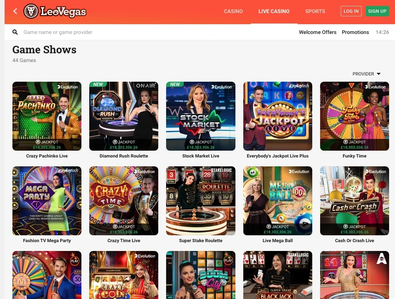
Imagine opening LeoVegas in the evening, after a busy day, with the idea of preparing everything for the weekend. You don't want a long session yet. You want to understand where the profile is, what the wallet looks like, how to read transactions, and where the personal limits are. If you find everything quickly, the platform starts well. If it forces you to search for everything, the account already begins with more friction than necessary.
The first login also says a lot. A well-constructed environment makes you immediately understand what is missing to complete, which steps are really useful, and how to navigate without rushing. A less curated environment tends to push forward, as if speed were always an advantage. In practice, it almost never is. When money and habits are involved, haste confuses more than it helps.
Then there's the issue of returning. Many people don't use the account just once, but in small waves: one visit to check the balance, a second for a short session, a third to re-read a transaction. That's why login and navigation must remain clear over time, not just at first glance.
How to Prepare Before Moving Money
Before moving money, it's advisable to do a very concrete check. Profile data, password, control tools, history, and wallet must be easily accessible. Imagine a user who deposits impulsively and only later realizes they don't know where to set a break or a spending limit. At that moment, they are no longer building the session with clarity, they are trying to fix something afterward. An initial check of a few minutes costs little but avoids many errors.
Why the First Day Matters More Than Expected
The first day has a particular weight because it creates a habit. If the account is set up in an orderly manner, the player returns with more clarity in the following days. If everything starts in a hurry, the account quickly fills up with steps not fully understood. Imagine returning two days later and not remembering well where a basic function is located. Often the problem doesn't arise from the platform's complexity, but from an overly accelerated first entry.
When Stopping Sooner Is a Smart Choice
There comes a time when the best decision is not to go further. If you opened the account just to check the environment, fix the profile, and understand how the wallet works, you can safely stop there. Imagine feeling the temptation to continue just because the account is now open. Resisting that urge is a useful choice, not a renunciation. It allows you to return later with a clearer picture.
Popular Games










LeoVegas Opinions in the Real Context
External opinions can be useful, but only if read with a minimum of method. An enthusiastic or very critical comment almost always tells part of the story, not the whole picture. To truly understand the quality of a platform, you need to compare what others say with what you experience in daily actions: logging in, checking the balance, moving between sections, seeking assistance, and exiting without confusion.

Imagine reading three different opinions on the same evening. One speaks well of the mobile experience, one focuses on payments, another complains about support. If you stay on an emotional level, you don't get much. If, instead, you compare them with the path you would take, you start to distinguish the details that really matter to you from overly generic judgments.
This is the most important part: an opinion is valuable when it describes concrete actions. If it explains how the account allows you to find the wallet, read a request, contact support, or stop in time, then it is truly helpful. If it merely states that the platform is "liked" or "disliked," it is much less useful.
How to Read Comments Without Getting Carried Away
The most useful way to read external comments is to treat them as clues, not judgments. Imagine finding a very positive review about the variety of the catalog and a lukewarm one about ease of use on mobile. Instead of asking yourself who is absolutely right, try to ask yourself which aspect weighs more for your way of using the account. If you often log in from your smartphone for short sessions, mobile readability might matter more than the sheer quantity of options.
Wallet, Payments, and Balance Check
The wallet is one of the areas where the practical quality of a platform becomes most evident. Here, a tidy interface is not enough. You need to clearly understand the selected method, the amount, the final confirmation, the balance update, and the status of operations. When everything is readable, the player feels oriented. When it's not, even a single operation creates more tension than necessary.
Imagine a common scenario. You log in with a moderate amount, have a short session, and then decide to stop while you're still clear-headed. At that moment, you want to see what happened to your balance, which transactions are recorded, and if the account presents a consistent picture. This is precisely where the wallet should help. Not to push you further, but to clarify.
Many mistakes arise from the wrong sequence. Haste comes first, then the operation, and only after that the verification. The healthier path is the opposite: first decide your budget, then enter the cashier, then confirm only once, and finally check the balance. This small habit reduces many impulsive actions and helps avoid confusing enthusiasm with control.
The same principle applies when looking at an outgoing request. There's no need to chase generic promises. What's needed is a clear reading of the status, date, and amount. The more visibility there is, the less nervousness enters into account management.
Area | What to check | Why it's useful |
Wallet | balance and recent movements | helps to immediately understand where you are |
Cashier | method, amount, and confirmation | reduces errors made in haste |
History | date, amount, and status | allows you to follow every step |
Limits | daily, weekly, or break limit | strengthens session control |
Support | channel and context of the case | facilitates more precise answers |
How to Read the Balance Without Guessing
Many users don't read their balance, they "feel" it. They think they remember how much they spent, how much they deposited, or if a certain transaction has already been made. Imagine finishing a session and believing you have a figure in mind, only to find a transaction history a bit different from what you remembered. The solution isn't to get agitated, but to always re-read the account as if you were verifying a fact, not an impression.
LeoVegas Casino Reviews and Daily Use
A platform might seem great during a long, calm visit, but the real test comes in routine. Logging in multiple times a day, checking your balance, opening a section, reading the history, and perhaps seeking assistance when needed: this is the context that truly defines the experience. If the product remains clear in these moments, then it is solid.
Imagine a normal week. One day you use the account just to check your balance. The next day you have a ten-minute session. Later you log back in to see if a certain transaction has been recorded. None of these visits, taken alone, seem decisive. Added up, however, they tell the real story of your relationship with the account.
This is precisely where a practical evaluation becomes useful. It doesn't ask you if the platform is beautiful or not. It asks you if the account is readable, if the wallet is clear, if the mobile experience supports short sessions well, and if the history helps you avoid relying on memory. This type of reading is much more valuable than a generic formula.
How to Understand if the Routine Is Sustainable
The routine is sustainable when the account doesn't force you to spend too much mental energy on normal actions. Imagine logging in multiple times a day. If each visit remains simple, oriented, and brief when needed, the relationship with the product stays healthy. If, however, you have to reconstruct where you are, what you did, and where to find the main information each time, the platform starts to weigh too heavily.
When Mobile Really Makes a Difference
The smartphone is often the center of real use. From mobile, you check your balance, log in for a short session, review a request, or open the history. Imagine a short break during the day. If the account allows you to do all this with a few taps and without losing track, then the mobile experience is working. If it forces you through too many steps, the phone's advantage disappears.
What Signs Show That the Session Is Changing Tone
There are small but important signs: you open one section after another without a clear reason, you increase the budget on the fly, you return to the account shortly after logging out, or you check your balance with growing nervousness. Imagine closing and reopening after half an hour just out of habit. These details matter a lot. Usually, this is the point where stopping, re-reading the history, or setting a short break is more useful than continuing.
When the Quantity of Games Matters Less Than the Journey
Having many options isn't enough if the path to choosing them is confusing. Imagine having fifteen minutes and a precise budget in mind. In that case, you don't need a huge library; you need to find a sensible way quickly. If the account helps you do that, variety is a value. If, however, the quantity makes you lose focus, then it stops being a practical advantage.
LeoVegas Review For a Complete Evaluation
A complete evaluation does not end with a clear, positive or negative statement. It ends when the user can answer concrete questions: is the account easy to read? Is the wallet clear? Does the mobile support short sessions? Does the history really help? Does support understand the context? If these answers are solid, then the opinion has a real basis.
Imagine comparing two platforms in any given week. On one, you log in, check your balance, have a short session, review your transactions, and log out without stress. On the other, every simple action requires a bit more attention, leaves a small doubt, forces you to remember instead of showing you. It is this practical difference, much more than general promises, that determines if the product truly holds up over time.
For adult users in Italy the central point remains one: using the account in line with applicable rules, with pre-chosen budgets and with easily accessible control tools. If the platform helps manage money, time, history, and breaks, then its usefulness becomes concrete.
FAQ
The most useful way is to do a practical test before even thinking about playing. Look for balance, history, profile, limits, and support. If you find everything naturally, the foundation is good. If you already have to take too many steps or guess where the main functions are at the beginning, it is likely that daily use will also be more burdensome than expected.
Before depositing, it is useful to verify that the profile is correct, that the password is strong, and that the personal control tools are easily accessible. It is also advisable to decide on the budget before opening the cashier. This order helps separate initial curiosity from economic choice and reduces many errors made in haste, especially from a smartphone.
Because it transforms vague impressions into concrete data. Many users believe they remember precisely how much they spent, how many times they logged in, or if they have already made a certain transaction, but the history often tells a more precise story. Consulting it regularly helps to understand the account, read one's habits, and better explain any doubts to support.
It makes sense as soon as signs appear that you don't like: too frequent logins, a budget that grows on the go, or sessions that were supposed to be short but are getting longer. These tools work better as prevention than as a late remedy. If you use them early, you interrupt an automatic behavior before it becomes more difficult to manage. Therefore, it is advisable to know where they are located from the beginning.
It depends on your actual use. The smartphone is often more convenient for quick checks, balance, and short sessions. The computer can be useful if you want more calm or more visual space. The right question is not which device is absolutely better, but which one helps you make clearer decisions and better maintain control of your time and budget.
The most useful details are almost always the most concrete: approximate time, amount involved, section where you saw the problem, and any on-screen message. With these elements, support can understand more quickly what happened. A long but confusing message often slows down the solution. A short and precise summary, however, makes the dialogue much more effective.
Usually, the signs appear before the big problem. You start changing sections without reason, check your balance nervously, increase your budget, or log back in shortly after logging out. If you recognize yourself in any of these behaviors, stopping is often the most useful decision. Closing, reviewing the history, or activating a short break restores more control than continuing while the impulse is still strong.